
A major study shows that investing in primary care and managing disease states could reap huge savings and improve outcomes.
About The Podcast:
Millions of Americans feel confused and frustrated in their search for quality healthcare coverage.
Between out-of-control costs, countless inefficiencies, a lack of affordable universal access, and little focus on wellness and prevention, the system is clearly in dire need of change.
Hosted by healthcare policy and technology expert Marc S. Ryan, the Healthcare Labyrinth Podcast offers accessible, incisive deep dives on the most pressing issues and events in American healthcare.
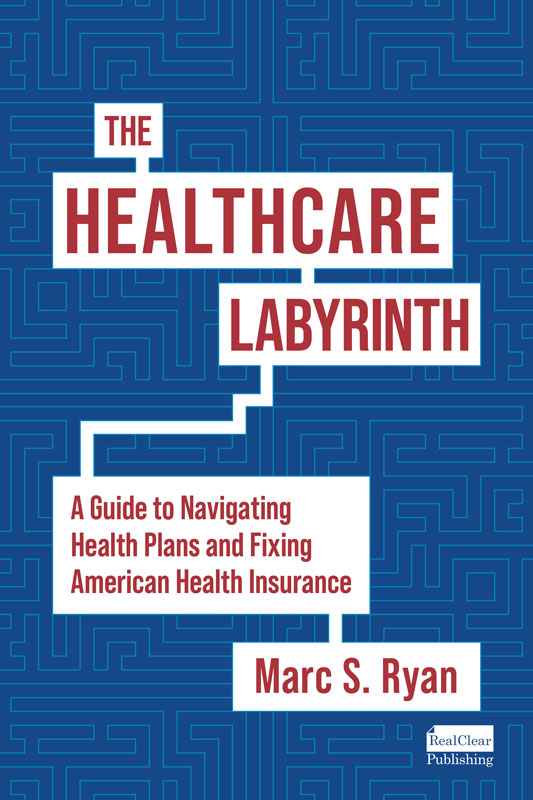
Marc seeks to help Americans become wiser consumers and navigate the healthcare maze with more confidence and certainty through The Healthcare Labyrinth website and his book of the same name.
Marc is an unconventional Republican who believes that affordable universal access is a wise and prudent investment. He recommends common-sense solutions to reform American healthcare.
Tune in every week as Marc examines the latest developments in the space, offering analysis, insights, and predictions on the changing state of healthcare in America.
About The Episode:
On this episode, Marc discusses a major study showing investments in primary care and managing disease states could reap huge savings and improve outcomes.
Key Takeaways:
America spends the most on healthcare but has the worst outcomes.
One reason is the lack of focus on primary care and management of disease states.
America has huge inpatient costs due to admissions for uncontrolled conditions.
Forty-three percent of patients with diabetes and heart disease are not treated at all with evidence-based treatments and only 20% are treated adequately based on evidence.
Wakey Consulting finds that annual wellness visits (AWVs) can demonstrably help control costs among Medicare beneficiaries.
Wakley found that AWVs are considerably underutilized. About 45% of beneficiaries had just one or no such visits during the study period.
But showing how such visits can reduce costs and improve outcomes, Medicare beneficiaries who had 4 to 6 visits during the study period had lower inpatient and emergency department spending.
Those who received AWVs had an average $885 reduction in total costs per beneficiary per year. The $885 is almost 6% of Parts A and B spending in 2024.
Connect With Marc:
Resources:
The Healthcare Labyrinth: A Guide to Navigating Health Plans and Fixing American Health Insurance